


RFID in Practice
Real questions. Clear answers.
Contactless Identification
RFID tags can be read without direct visual contact. This significantly simplifies and speeds up the identification of objects.
Select multiple items at once
Unlike barcodes, RFID allows multiple objects to be scanned in a single reading operation. This saves time and reduces the need for manual steps.
Real-time data for greater transparency
Information is available right where it's needed. Inventory levels, locations, and movements of items can be tracked at any time.
Reduce Errors
RFID lays the foundation for automated processes in production, logistics, tool management, and equipment management.
Automate Processes
RFID lays the foundation for automated processes in production, logistics, tool management, and equipment management.
Greater Efficiency
Shorter search times, faster data collection, and transparent processes help ensure that resources are used more efficiently.

RFID in Various Industries
and Applications
RFID is used today in numerous industries and application areas. However, the requirements for tagging vary considerably. For this reason, every RFID solution should be tailored to the specific process and operating environment.

Trade and Logistics
In retail and logistics, the fast and error-free tracking of goods plays a crucial role. RFID enables the automatic identification of products, containers, and load carriers.


Electronics Industry
In the electronics industry, components, assemblies, and equipment often need to be tracked across complex manufacturing and logistics processes. RFID supports automatic identification in this context.


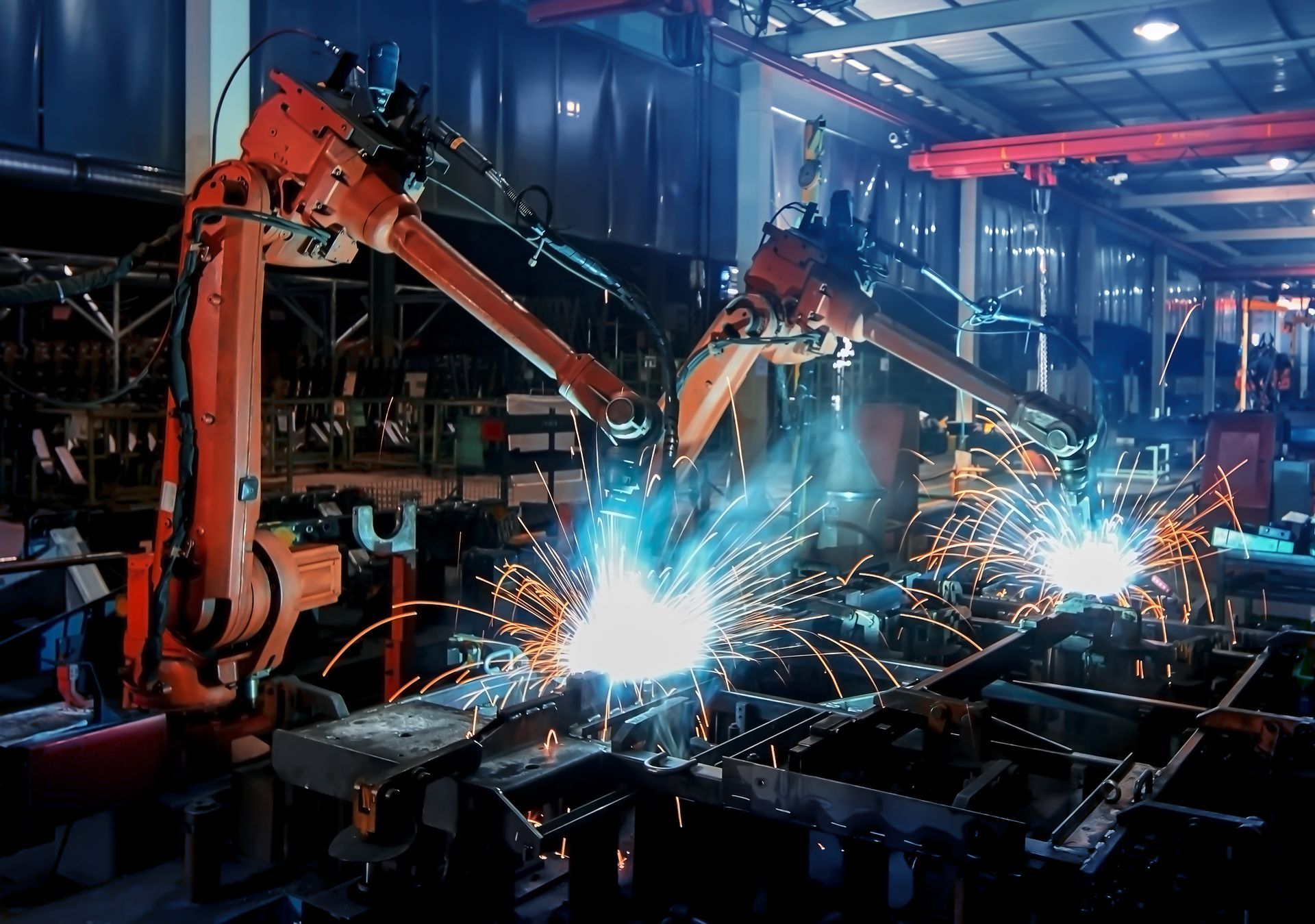
Machinery and Plant Engineering
In the mechanical and plant engineering industries, tools, components, assemblies, and equipment must be reliably identified and tracked throughout their entire life cycle.




Why Proper RFID Tagging Is Crucial
The performance of an RFID system does not depend solely on the technology. Choosing the right tagging solution is just as important. Depending on the operating environment, RFID labels must withstand various demands. Metallic surfaces, high temperatures, chemicals, mechanical stress, or limited space can all affect performance down the line.
That is why the selection of an RFID label should always be based on the specific application.
This is precisely where customized RFID labeling solutions come into play: They enable reliable identification even under demanding conditions and form the foundation for stable processes.
Practical RFID Knowledge
Anyone looking to successfully implement RFID often faces the same questions.
When is RFID actually worth it?
What advantages does the technology offer over traditional barcodes?
And what factors determine the success of an RFID project?
That’s why we’ve summarized the most important practical topics in two technical articles.
RFID in Practice: The Most Important Questions About the Use of RFID
Find out when RFID is worth it, what the differences are between RFID and barcodes, how RFID works on metal, and what reading ranges are possible.
Successful RFID Implementation: From Planning to Process Automation
Learn what factors determine the success of an RFID project, which processes can be automated using RFID, and what developments are shaping the future of RFID technology:
Frequently Asked Questions About RFID
When is RFID actually worth it?
RFID is particularly well-suited for situations where objects need to be identified without physical contact, multiple data carriers need to be read simultaneously, or processes need to be automated. Typical applications include tool management, equipment management, container management, and applications in production and logistics.
RFID or Barcode: Which Technology Is the Right Choice?
Both technologies have their strengths. While barcodes offer the advantages of easy implementation and low investment costs, RFID provides benefits in contactless data capture, the simultaneous identification of multiple objects, and process automation.
How much information can fit on an RFID tag?
In addition to a unique identification number, RFID tags can store other information. In many applications, however, the RFID tag serves as a digital key used to retrieve data from ERP, MES, or administrative systems.
Does RFID work on metal?
Yes. While metallic surfaces pose special challenges for RFID applications, specially developed RFID-on-Metal solutions make it possible to reliably tag and identify tools, machines, containers, and other metallic objects.
What are the reading ranges possible with RFID?
The reading range depends on various factors, such as RFID technology, the reader, the antenna, the environment, and the label design. Depending on the application, ranges from a few centimeters to several meters are possible.
What Makes an RFID Project Successful?
Successful RFID projects begin with a clear definition of requirements. In addition to project objectives, factors such as materials, environmental conditions, read ranges, and the selection of the appropriate tagging solution also play a crucial role.
Which processes can be automated using RFID?
RFID supports the automation of numerous processes, such as tool management, equipment management, container and load carrier management, as well as production and logistics processes.
What RFID trends will shape the industry?
Among the most important developments are the increasing automation of processes, the provision of real-time data, digital traceability, and the growing need for robust and application-specific RFID labeling solutions.